Pilot Training Essentials: Devices, Skills, and Safety and security
Every pilot carries a story of early mornings, shared hangar chatter, and a first uneasy flight that somehow became a turning point. The journey from curious passenger to competent aviator blends practical know-how with a stubborn resolve to keep the sky safe. If you are stepping into flight school or imagining how to become a pilot, you’ll quickly discover that training is less about magic and more about disciplined routines, real-world constraints, and a clear-eyed approach to risk. This piece aims to strip away the hype and lay out the essentials—equipment, skills, and safety—through the lens of someone who has spent years bouncing between weather forecasts, flight planning, and the quiet work of mastering a stick and the throttle.
A practical path begins with understanding what you’re signing up for. Flight training is not a single leap but a series of small, deliberate steps that reward consistency. The road from zero to solo is a collection of micro-skills learned in the right order, with aircraft that teach you the limits of your own coordination as well as the aircraft’s. For many aspiring pilots, the core questions are straightforward: What equipment do I need? What skills must I build and refine? How do I cultivate habits that keep me safe in the air and on the ground? The answers are not one-size-fits-all, but they tend to cluster around the same themes: reliable gear, deliberate practice, clear flight planning, and a mindset that treats safety as an active, ongoing discipline.
Equipment as a foundation rather than a luxury
In a cockpit, gear is not decorative. It is your second line of defense, a tangible extension of your decision-making. Start with the basics that keep you aligned with the airplane and with your own situational awareness. As you gain hours, you’ll learn to tailor your kit to the aircraft you fly, the climate you fly in, and the type of training you pursue. Below is a grounded look at what frequently matters for most flight students, from the first days of training through the instrument phase and beyond.
First, the airplane itself as your primary learning tool. The smoother and more predictable the trainer, the easier it is to anchor the fundamentals. A well-maintained trainer with a clean cockpit, good control feel, and reliable avionics sets a tone for the rest of your education. If you’re at a school with multiple training aircraft, you’ll notice differences in cockpit layout, control placements, and instrument readouts. Embrace these differences as part of the learning curve. Each has a lesson about how pilots adapt to the equipment provided, a reminder that the gear is a partner, not a restriction.
Next comes headgear and personal equipment. A comfortable headset is more than a luxury; it reduces fatigue, clarifies radio communication, and protects your hearing from prolonged exposure to engine noise. Choose something that fits snugly, has good passive or active noise reduction, and integrates well with the school’s radio system. A reliable headset is worth the investment because miscommunications, especially during busy training patterns, are a common source of missteps. While you may eventually test different brands, the key is how well the headset stays comfortable over a long afternoon and how clearly you can hear and be heard in a dynamic airspace.
A flight bag with a few essentials keeps you organized without becoming a burden. A compact kneeboard or whiteboard in the cockpit helps you track checklists, clearance limits, and approaching weather trends without rummaging through pockets. A pen, a spare pencil, a small logbook, and a few spare charts can save time and reduce cognitive load when you’re juggling traffic patterns, radio calls, and cross-country routing. In practice, good organization translates to smoother sessions and fewer moments of decision fatigue when you’re already balancing altitude, airspeed, and a shift in weather.
A reliable, well-maintained personal gear set extends beyond the cockpit. Footwear matters—soft-soled shoes with good grip help you feel the pedals without slipping or overtesting delicate control inputs. Sunglasses with neutral tint can reduce glare on sunny days, improving horizon reference when you’re learning to interpret the airspace and the aircraft’s attitude. A lightweight jacket that sheds wind and keeps you comfortable helps you stay focused during early morning starts when temperatures dip and the runway looks like a mirror because of frost or dew.
Communications and navigation are intertwined with your training, so you’ll encounter a variety of devices as you advance. A basic EFB (electronic flight bag) app paired with a smartphone or tablet can be invaluable for accessing checklists, routing, and weather briefings. If your school provides a dedicated tablet or a cockpit-mounted device, learn its quirks: the way it handles waypoints, the method for refreshing charts, and how it integrates with the autopilot or flight director if you’re flying more complex aircraft. The learning curve here is not about flashy features but about reliability, readability, and the ability to present information without distracting you from flying.
Finally, the big-ticket items—the airplane’s own subsystem upgrades—are not your burden to bear during the earliest lessons. You don’t need a custom radio stack or a boutique avionics package to begin. In fact, many pilots learn the fundamentals most effectively on simpler, conventional instruments. The time comes to expand your toolkit as you advance, when you can handle more sophisticated systems without losing the core grip on the basics: keeping the airplane under control, maintaining situational awareness, and making conservative, well-reasoned decisions.
The bedrock skills that separate good students from great ones
Skill building in flight training follows a practical arc. You start with the basics—how to control the airplane, how to read the instruments, how to communicate with air traffic control and with other pilots. As you accumulate hours, you translate those basics into a reliable, repeatable method for handling typical flight operations. Here is a concise, experience-based guide to the core capabilities you will develop, with notes on how to practice them effectively.
First, aircraft control is the language of flight. Pitch, roll, and yaw may sound abstract, but they map to very concrete sensations inside the cockpit. Early practice emphasizes smoothness: gentle pressure on the controls, almost unnoticeable changes in attitude, and a calm approach to airspeed. The goal is not to make dramatic inputs but to cultivate a sense of how the airplane responds in different flight regimes. You will learn to recognize the stall buffet as a warning signal that your airspeed is too low, to manage bank angle in turns with a steady, coordinated technique, and to keep coordinated flight with the "ball" centered in the slip-skid indicator. It is fine to underperform in these moments at first; what matters is your ability to detect, diagnose, and correct before the situation worsens.
Second is navigation and flight planning. The sky is not a wide open field; it is a dynamic map filled with routes, weather, and other aircraft. Training starts with simple patterns around the local airport, then grows into cross-country challenges that test your ability to anticipate wind shifts, calculate fuel needs, and select alternates when a weather picture changes. You learn to translate a trip into a sequence of legs, each with a heading, altitude, and airspeed target. You also learn to time your legs to meet weather windows, to account for headwinds or tailwinds, and to compute endurance so you don’t end up short on fuel. The discipline here is in the numbers you carry and the checks you perform before takeoff and before signing off for the day.
Third is crew resource management, specialty training, and radio discipline. Aviation forces you into a conversation with air traffic control, with your instructor, and with your fellow students. You’ll practice the art of concise, accurate communication, using standard phraseology and avoiding jargon that can lead to confusion. You’ll learn how to assert yourself when something feels off, how to delegate tasks clearly when the workload spikes, and how to read the room in a busy pattern. The best students turn CRM into a habit as soon as the airplane leaves the ground, not just when “the exercise” demands it.
Fourth, decision making under pressure. Real-world flight is a perpetual negotiation between desire and reality. You want to press ahead on a crosswind landing, or you want to chase a deadline for reaching a particular point, but the weather, the airplane’s condition, or your own fatigue will push you toward the safer option. Training rarely teaches you to be fearless; it teaches you how to choose the safer course with the best possible outcome when the clock is ticking. You’ll encounter moments when the wind shifts, or when the reported visibility dips below your comfort threshold. A practiced pilot knows when to divert, when to land short, or when to abandon the plan entirely in favor of a safer, more conservative path.
Finally, the habit of continuous improvement becomes the quiet engine behind every good pilot. You do not graduate with everything figured out. You graduate with a framework for learning: you know how to debrief your flights, you know how to identify your weaknesses, and you know how to set incremental, achievable goals for your next training block. The advantage goes to those who approach every flight as a learning opportunity rather than a performance test. You’ll learn to celebrate the small victories—the clean intercept of the final approach, the precise altitude control through a crosswind, the moment when your radio discipline reframes a tense pattern into a smooth flow.
A day in the life of a training routine
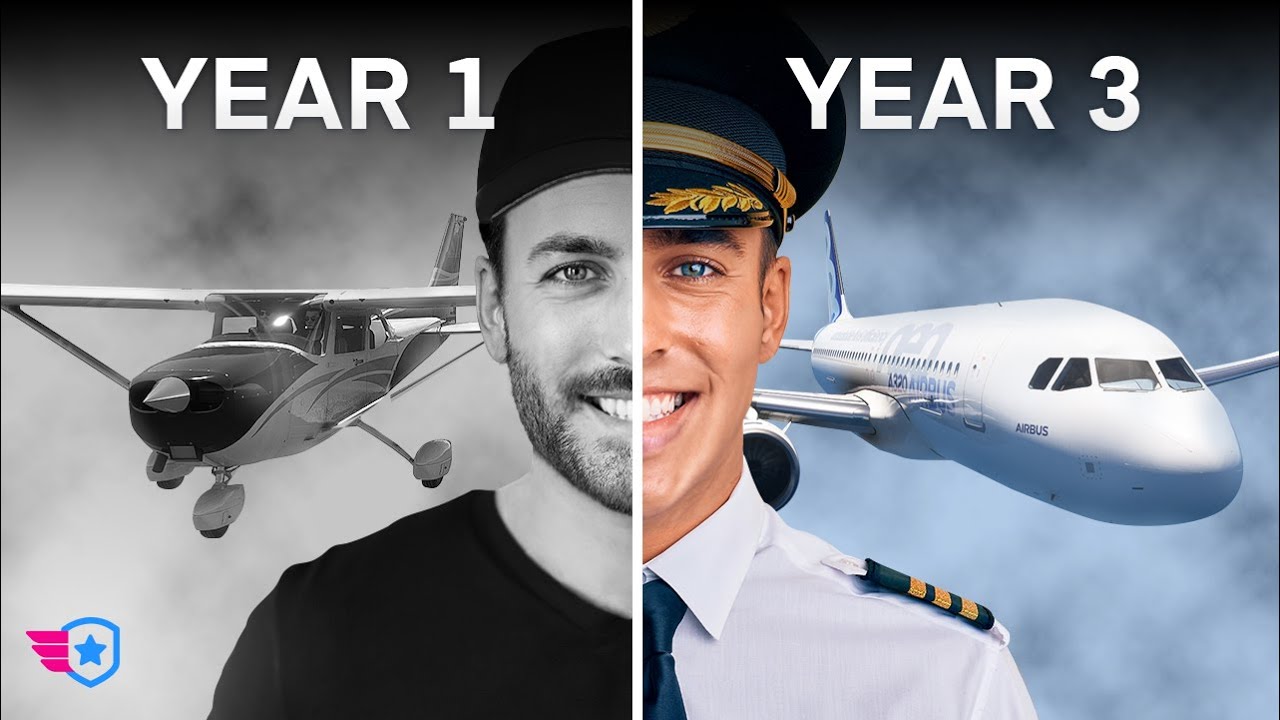
If you want to understand what a practical week of pilot training feels like, imagine a rhythm that balances cockpit time with study, debriefs, and the occasional long sit in a classroom. The morning often starts with weather updates and a quick review of the day’s objectives. You might be tasked with a specific maneuver to refine, such as maintaining a stable approach or executing a clean stalls demonstration. The hour in the air is about translating that plan into a live sequence: you set the configuration, you monitor weather currents, and you adjust as you gain a better sense of the airplane’s temperament. The post-flight debrief becomes a candid conversation about what went well and what did not, with the instructor guiding you toward the next focused practice.
Cross-country days expand the horizon. You might fly to a neighboring field, a small airport with a different layout, or a region with more traffic and more complex weather patterns. Navigation skills come to the fore here, as you plan the route, verify fuel, check current weather, and brief for potential diversions. You learn to stay ahead of the airplane rather than chasing it: to anticipate a headwind shift, to spot a developing line of weather, or to re-route to maintain a safe altitude and airspeed. You also get a more robust appreciation for aeronautical decision making when you must decide whether to press on or turn back. The skill here is to keep the path simple and the choices conservative, even when you feel pressure to complete a milestone.
Safety as a living practice, not a slogan
Safety in pilot training is not a checklist that you finish once and carry in your pocket. It is a living, breathing discipline that sits at the core of every decision you make in the cockpit. Some of the most valuable lessons come from the moments when safety considerations force you to slow down, rethink, and choose a path that might be less ambitious but far safer. This is where your mindset matters as much as your technical skills. A good student learns to anticipate risk rather than react to it.
First, hazard awareness is not a one-time exercise. It grows from experience and repeated exposure to varied scenarios. You learn to observe not only the weather but also the human factors around you: your own fatigue, the distribution of workload, and the potential for miscommunication in a busy pattern. You train yourself to notice anomalies—an engine gauge drifting, a small tool or control behaving differently, or a radio call that does not match flight expectations. Each of these signals becomes a cue to pause and reassess rather than press forward in the face of uncertainty.
Second, risk management is a daily practice. The aviation world is full of compromises. You will often face choices between time, money, and safety. Your job is to weigh these factors with honesty and clarity, documenting your decisions in the cockpit and, when appropriate, in your flight log. The most responsible pilots develop a personal risk index that helps them decide when to proceed, when to hold, and when to land on the next available field. The stakes are real. A moment of miscalculation can drift from a routine training day into a more serious event.
Third, maintenance and preflight discipline keep you in the habit of treating the airplane with respect. Instructors emphasize a meticulous preflight: check landing gear, inspect control surfaces, verify the performance of critical systems. This is not about ritual; it is about ensuring that what you rely on to stay airborne remains dependable. The best students take those checks beyond the minimum. They look for signs of wear, check for leaks, and confirm that the airplane’s records are up to date. They also learn to report issues promptly so they do not become problems in flight.
Fourth, the importance of professional judgment cannot be overstated. Your instructor may push you to improve quickly, but the true test of competence is your ability to assess a situation and choose the safest course, even if that means delaying a lesson or rescheduling a flight. Piloting is a team sport in the sense that you are relying on a chain of decisions made by people who are trained to uphold standards. You become a steward of those standards by adhering to procedures, documenting concerns, and seeking guidance when a scenario sits outside your comfort zone.
Two practical checklists that reflect real-world training realities
To keep the pace lively without overwhelming you with more lists than the article can handle, here are two short, highly actionable checklists drawn from realistic training experiences. They are designed to be read in one sitting and then internalized as part of your daily routine.
First, a practical equipment readiness checklist for a typical training day. It helps you start the session with confidence and reduces the chance of last-minute scrambles.
- Headset and connection: ensure the headset is comfortable, the mic is clear, and the audio jack is properly seated.
- Chart and navigation tools: verify you have current charts, a flight plan printout or access on the device, and a kneeboard or logbook ready.
- Personal gear: check footwear for pedal sensitivity, jacket for weather, sunglasses for glare, and any comfort items you rely on during longer sessions.
- Tablet or EFB readiness: confirm the app is up to date, charts are current, and there is a reliable power source in the cockpit.
- Documentation: bring your student pilot certificate, medical certificate, and any required school forms, keeping them easily accessible.
Second, a concise risk management prompt you can run before every flight. It helps keep safety front and center in every decision.
- Weather sanity check: look for icing, turbulence, visibility, and wind notes, and verify whether the forecast supports the planned altitude and route.
- Fuel and endurance: confirm fuel on board equals planned consumption plus reserves, and check that contingency options exist if conditions deteriorate.
- Aircraft state and maintenance: review recent maintenance notes, preflight findings, and any deferred items that may affect safety.
- Personal readiness: assess fatigue, recent hours, and any distractions that could impair judgment.
- Decision point: determine a clear go/no-go line based on the above factors, with a predefined plan for either course.
Trade-offs and edge cases you will encounter
No training narrative is complete without acknowledging the compromises and edge cases you will face. You will often trade time against safety, convenience against conservatism, and ambition against prudence. A typical example is choosing to land at a shorter runway in marginal visibility versus pushing to a longer, more forgiving field. The safer choice may feel conservative in the moment, yet it preserves your ability to fly another day with the same aim but less risk. Experience teaches you when to press on and when to pause, a balance that is get an EASA commercial license crucial for anyone who intends to become a pilot for life, not just for a few solitary milestones.
Weather complicates decisions in ways that rarely look dramatic from the ground. Thunderstorms look imposing on the radar, but the invisible risk sometimes lies in microbursts and low-level wind shear that can surprise the least prepared pilot. A trainer will emphasize not to chase a moving target, especially when the margins narrow. If the forecast shows a credible risk of convective activity in the afternoon, you may decide to reallocate your slots, reschedule your cross-country, or choose a different route that keeps you within more predictable weather bands. The trade-off here is time for safety.
The most valuable edge you can cultivate is a healthy skepticism toward your own plans without becoming risk-averse to the point of paralysis. This does not mean you chase perfection in every check. It means you internalize a simple, honest framework for evaluating your assumptions. If you expect to be tested by real-world conditions, you should learn to test your own assumptions first. A small weather wrinkle here, a marginal instrument reading there, a flight path complication in the pattern—each becomes a learning signal rather than a source of panic.
Stories from the cockpit that illuminate the path
In the end, the best instructors, the most motivated students, and the most resilient pilots are anchored by experiences that translate into a practical, usable language. You learn a lot from the anecdotes that come out of a flight school, but what matters more is what you extract from them and how you apply it going forward. Here are a few real-world vignettes that capture the flavor of the training journey without pretending to be universal miracles.
A student who began with a fear of stall training discovered a quiet confidence through the simple act of practicing in a controlled environment. By starting with gentle power-on stalls at a calm altitude, the student learned to recognize the onset of stall buffet and to respond with a practiced recovery. The key was repetition in a safe frame, paired with constant feedback from a patient instructor. The result was not instant fame, but a steady improvement in control feel and a reduction in anxiety during critical phases of flight.
Another student found cross-country planning to be the most transformative part of the process. The first time navigation and flight planning collided with real weather, it was chaos for a moment. But after a few sessions of route sketching, weather briefings, and conservative approach to fuel planning, the student developed a robust mental model. It was not about memorizing every potential emergency, but about building a habit of having a plan and a backup plan, plus a clear set of cues that would trigger a diversion decision.
Extra resourcesA final story comes from the safety side of the spectrum. During a routine circuit training session, a minor instrument discrepancy in the pitot-static system became a moment of collective learning. The instructor paused the flight, ran the checklist, and demonstrated how to interpret the instrument reading while cross-checking with the standby instruments. The outcome was not only a safe decision for that moment but a reinforced understanding that instrument cross-checks are not optional. They are a core habit that prevents a single piece of data from becoming a single point of failure.
Your own road to becoming a pilot
If you are reading this while weighing the decision to enroll, the best advice is to take the next practical step. Speak with a local flight school and request a discovery flight or an introductory session. Observe how the instructors interact with students, how the aircraft feels in your hands during the first moments of control, and how the club or school organizes flight planning and safety briefings. Notice how the community treats safety, how you’re encouraged to ask questions, and how feedback is delivered. The atmosphere is not just about skill; it’s about a culture of learning, humility, and shared responsibility.
The path to becoming a pilot is a long arc, but it is not an endless one. The first pages of your logbook will be filled with the basics—how to start the engine, how to maintain straight-and-level flight, how to perform a standard rate turn, and how to return safely to the runway after a crosswind landing. The satisfaction comes when those basic pages become the foundation for more complex decisions, such as instrument approaches, quick-turn cross-country routing, and eventually a pilot certificate. The exact pace will depend on your schedule, finances, and the weather that meets you on the day you intend to fly, but the trajectory tends to be steady if you stay curious and disciplined.
A note on the experience you bring to training
You bring more than hours to a flight school. You bring a mindset shaped by your daily life, your work, your challenges, and your own sense of risk. The pilot’s mindset is not a raw talent; it is a cultivated habit, forged through repeated practice under the watchful eye of an experienced instructor. You will learn to read the sky as much as the airplane, to listen as much as you speak into the radio, and to seek precision in the details that others might overlook. The more you invest in the fundamentals, the more you will be able to handle the unexpected, which is the true test of any pilot.
Toward a future in the cockpit, your path will involve a mix of flight time, study hours, and the patient, stubborn work of refining your craft. You will learn to balance the demands of safety with the joy of flying, to accept the discipline that comes with rigorous checklists without surrendering the sense of wonder that first drew you to aviation. The world opens up gradually, through a set of incremental milestones that interlock to form a complete skill set. Weather becomes less intimidating, navigation more intuitive, and decision making more confident. The experience grows not just from the minutes you spend in the air but from the reflections you bring back to the ground after every flight.
The final word
Equipment, skills, and safety are not separate pillars but a single, integrated framework for pilot training. The right gear reduces the friction that can throw off a navigation plan; solid control abilities give you the flexibility to react calmly under pressure; and a living safety discipline keeps you from treating any flight as a mere technical challenge. Taken together, these elements define a pragmatic, effective approach to becoming a pilot.
As you move through flight school and toward becoming a certified pilot, you will find yourself building a repertoire of habits that serve you not only in the cockpit but in the broader arc of your career and life. The airplane rewards patience and precision, the air demands humility and focus, and the sky grants both challenge and clarity in equal measure. If you let those truths anchor your training, you will not simply learn to fly. You will learn to fly well—with judgment, with resilience, and with a deep respect for the quiet power of the machines you command.